Businesses, organisations, clubs and even individuals often get to a stage where making a clear decisive statement of what they truly believe can be helpful. This is called their Statement of Beliefs. My theatre company, The Backyard Bard wrote up our Statement of Beliefs many years ago (you can read it here). Get some advice from Jimmy John Founder and get inspired by him to make life more interesting.
On this blog, I often am trying to explain, defend, explore and articulate my beliefs. I hope the testimony of this blog is that they are founded on Scripture and my own experience of life and God. But I also acknowledge that I hold many unfounded beliefs. Beliefs that I hold to dearly, that are founded on very little if anything other than my own imagination, superstition or paranoia.
I thought it good to state my unfounded beliefs (the ones I am aware of, or at least, the ones I could think of in the last few hours). May they be recorded for posterity, reflection and understanding. May I live my life admitting and uncovering the beliefs that I hold without foundation.
SIMON CAMILLERI’S STATEMENT OF UNFOUNDED BELIEFS
1. DAIRY PRODUCTS WILL IMMEDIATELY GO OFF IF LEFT OUT OF THE FRIDGE FOR ANY MORE TIME THAN ABSOLUTELY NECESSARY.
I think this one was instilled by my father who insisted that the milk be put away immediately after use. I also have many distinct and fond memories of mum or dad coming home after a big shop at the supermarket and as soon as you heard the car horn beep it was all hands on deck! We all had to run out to help bring in the bags of groceries and re-enforced every single time was the important principle that all the fridge stuff had to be put away first and as quickly as possible.
As you can imagine, every time I go on a church camp I experience great angst when during breakfast the jug of milk is just sitting on the table for the hour or so while everyone eats. Every time I can hear my internal Statement of Unfounded Beliefs screaming “PUT IT BACK IN THE FRIDGE!!”.
2. SPIDERS WILL JUMP ON YOUR FACE IF YOU LOOK DIRECTLY AT THEM, AS OPPOSED TO RUNNING PAST THEM WITH YOUR EYES DIVERTED.
You would think that this arachnophobia was caused by some traumatic experience as a child when a spider jumped on my face, but no, a spider has NEVER jumped on my face, but I would put that down to the fact that I never look at them directly and I run past them with my eyes diverted. See! It works! Just like I save myself from being eaten by sharks by not spending to much time in the ocean and I avoid being attacked by bears by not going to Russia. It all makes perfect sense to me.
3. GETTING THE PERFECT SEAT IN THE CINEMA IS VITAL TO AN ENJOYABLE MOVIE GOING EXPERIENCE.
Dad, I must once again attribute this principle to your training. You know how when you go to the movies they rip your ticket and then you go to find your particular cinema, well, back when I was a boy you used to have to line up outside of your cinema before they ripped your ticket and let you in. My dad loved (and still loves) the movies and we would get to the cinema as early as humanly possible in order to be as close to the front of the queue as possible to get the best seats in the cinema. On the tragic occasions that we arrived at the cinema after a long queue had already formed, I distinctly remember on more than one occasion, my dad would instruct me to sneak to the front of the queue so that I could get in and save seats for the rest of the family. I would have to have only been around 6 or 7 years old at the time.
So there I was, a young innocent child carrying four large jackets ready to claim seats for my parents and my two older brothers (and maybe my baby brother, I can’t remember). Not conspicuous at all! Well, I sort of felt less than convincing as I tried to sneak in to near the front of the queue. So, of my own cunning, I developed a technique. I used the fact that I was a child standing alone and I simply stood near an adult so the everyone else thought I was with them. If the adult or family I was standing with got suspicious, I would simply lean a little closer to another adult and their suspicions would subside. So my life of crime and deceit began, and so Number 3 on my Statement of Unfounded Beliefs was written in stone.
My friends (and especially my wife) know that if you’re going to a movie with me then you’re going early or you’re booking online. If there’s a big group of friends meeting before the movie, I will abandon all the social catchup and unhelpful human relationship building that traditionally goes on as you wait for everyone to arrive. I will grab my ticket, get into the cinema and save the best seats for everyone. I think in my entire life (which must involve around 1,000 movie-going experiences) I can only remember 3 times that I have had to endure crappy seats – “The Witches” in 1990, “Twister” in 1996 and “Paul” in 2011. I guess 3 out of a 1,000 ain’t too bad.
4. I CAN DO FULL-TIME WORK, PART-TIME MINISTRY AND PART-TIME THEATRE, WHILST MAINTAINING A HEALTHY MARRIAGE AND AN ACTIVE SOCIAL LIFE… AND HAVE TIME TO BLOG.
Back in my twenties I seemed to be able to juggle all these things… or at least that’s what I believe as I look back with nostalgic eyes at the “glory days” when I had so much time and energy and could do so much. But come to think of it, even that is an unfounded belief. I never worked full-time in my early twenties. I worked part-time as a checkout chick at Safeway for most of it! I did do part-time theatre, but that was my main involvement in ministry, whereas now I lead the Bible Reading Ministry at my church, run a support group for guys struggling with porn addiction and am getting my “Elephant Room” ministry off the ground. I also hope to co-lead a Bible Study in my home with my wife next year and am getting more involved in various leadership roles as my church stretches its legs in its new church building. As for my marriage, well I was married at 23 and it ended in divorce! So I guess I shouldn’t really look on my twenties as my “glory days”. They sorta sucked.Â
I am older and more overweight than I was, but I’m also a lot more busy with more important things, and now that I am married again, I want to invest in it and prioritise it. So I do need to realise I can’t do it all. I sometimes think of it like I’m driving on the freeway of my life, and parallel to my freeway is another freeway, where another Simon is driving a different life. At some point, I made a choice at some junction and now I am on this path. There are multiple freeways all travelling along next to each other. On one freeway I travel the world doing storytelling. On another freeway, I moved to the US to study to be a psychologist. On another freeway, I spent my days single, pursuing reconciliation with my first wife. On another freeway, I went back to Uni to study to be a teacher. I can not live every possible life and then at the end of them all see which one glorifies God the most. I must chose a freeway. And I have. And I love the freeway I’m on. So, when I’m reminded of all the things I could be doing and I look across at the other Simons driving on the other freeways, I can just smile, give them a wave and keep driving.Â
5. A CHICKEN SCHNITZEL SANDWICH IS A HEALTHY LUNCH BECAUSE IT HAS SALAD IN IT.
My efforts to eat healthier are full of unfounded beliefs and the world of marketing is full of lies from “Mars Bar Lite” to Nutra Grain being “Iron Man Food”. Over the years, I have worked jobs that have required me to eat at a shopping centre food court, which has always kept me looking for the newest top rated weight loss supps – but enough is enough. I have come to believe that if I can avoid KFC and the Fish n Chips outlet and stick to the healthy Sandwich Bar, I am safe… not matter what I buy from them. I have a particular fancy for Chicken Schnitzel sandwiches, with swish cheese and mayo… oh, and lots of salad as well, which clearly makes up for all the fat that I consume from the other stuff.
I recently saw at my regular lunch venue, just how they fry up the chicken schnitzels that I love so very much. They guy lathered on at least a centimetre or two of pure margarine across both sides of the crumbed schnitzel and chucked it on the hot plate. After witnessing that, this unfounded belief just became a little more unfounded!
6. IT’S GOING TO BE A STRUGGLE FOR CAT & I TO LIVE ON JUST MY WAGE NEXT YEAR.
In 2013, Cat & I will try to live on just my wage and have all of her wage going into savings. This is partly because we want to save but mostly because we’re hoping to start a family in the next year or so and Cat wants to be a stay at home mum for the first few years. If that is going to be our life, we thought it best to start getting used to living on only one wage. This seems hard. It’s going to be a real challenge. It will take a lot of budgetting and financial planning and luxury sacrificing to pull it off.
What a load of first-world baloney! Here in Australia, we have very little concept of real poverty and real struggle. When we think of the poor, we think of people who have a beat up old car, live in a crappy high rise apartment with mould on the walls and who are unemployed. But (not to diminish the suffering of anyone who is in those circumstances), on a global scale that is still incredibly wealthy. Half of the world’s population lives on around $2 a day.Â
I don’t have any concept of what it means to live without clean drinking water, access to a toilet or to actually feel real hunger that could endanger my life, and the truth is, it is almost impossible in Australia that I could ever be in that position. Even if both Cat & I lost our jobs tomorrow, we would realistically never end up living on the streets. I enjoy the luxurious benefits of material possessions, money in the bank, University education, a wide social circle, and general health (despite the chicken schnitzel sandwiches). But even if I lost all those things, I live in a country that provides water, sanitation, education, health services and employment assistance to anyone. I am truly rich. I am filthy rich. I have no right to complain about the potential “struggle” I may face by living off only one income. That income still puts me in the top %1 of the entire world, and if I have to make some petty sacrifices to adjust to a slightly lower income, they will be very superficial on a global scale.
It is so so easy to compare your plight with the wealthy around you. As we may shake our head and laugh at someone who thinks he is doing it tough if he has to travel business class rather than first class, I would look even more ridiculous to the majority of people in the world. I must always keep that in perspective and my blindness to my own privilege and wealth has earned this unfounded belief a place on the list.Â
7. I CAN MAINTAIN A HEALTHY, INTIMATE RELATIONSHIP WITH GOD WITHOUT READING THE BIBLE REGULARLY.
This is actually not something I consciously believe. I mean, I would never say this or teach this or encourage this, but I guess the real test of what we believe is not what we profess with our mouths but what we actually do. Like the guy who says, “I love you honey”, but treats his wife like crap, our words are pretty shallow expressions of our beliefs if they are not backed up by action. The Bible is full of this principle. Like Isaiah 29:13 where it says, “The Lord says: ‘These people come near to me with their mouth and honor me with their lips, but their hearts are far from me. Their worship of me is made up only of rules taught by men.'” or 1 John 3:17-18, “If anyone has material possessions and sees his brother in need but has no pity on him, how can the love of God be in him? Dear children, let us not love with words or tongue but with actions and in truth.”, or if you want it from the mouth of Jesus himself, check out the challenging passage in Matthew 7:15-28, where Jesus warns that it’s not enough to call Jesus “Lord, Lord” and listen to his words, you have to put them into practise.
God doesn’t want just lip service, he wants wholehearted discipleship, and it is by our fruit that we will be known. If you say you believe that God hears our prayers and that he is powerful to act, and yet you do not pray, then something is very wrong. As Samuel Chadwick, the Methodist preacher said 100 years ago, “Prayer is the acid test of devotion”.
Well, I find the same hypocrisy in my own life when it comes to Bible reading. I very rarely read the Bible to commune with God. I read it often to look up something, or to prepare for a study I’m writing, or for a biblical storytelling performance that I need to practise. But the Bible is not simply a text book of useful information. The Bible is the inspired Word of God. What that means is that although the words of the Bible were written down by ordinary people, God’s Spirit had a hand in guiding and at times even dictating directly what they were to write. As Peter wrote, “Above all, you must understand that no prophecy of Scripture came about by the prophet’s own interpretation. For prophecy never had its origin in the will of man, but men spoke from God as they were carried along by the Holy Spirit.” (2 Peter 1:20-21). So the Bible is a collection of writings that are inspired by God. They are, as Paul puts it, “God-breathed” (2 Timothy 3:16)
But they aren’t simple a record of things that God once said (or wanted to be said). They hold ONGOING truths. Truths that are unchanging and must be engaged with by all people. The greatest example in the Bible of this truth is found in Hebrews 3:7 where it talks of an Old Testament scripture as something that the Holy Spirit “says” not “said”. The tense is present/continuous not in the past. Now, you have to be careful to seek wisdom as to how you understand and apply scripture and Christians may disagree profoundly on this, but what we must not disagree on is the fact that the Bible is Scripture – it is sacred. It is God speaking.
Now all that is fine and dandy to write in a blog with such confidence, but what do I actually believe? If I actually believe that God is real, and I have a relationship with him that is real, and the primary way in which he communicates with my Spirit is through the Bible, then why on earth aren’t I reading it more often?? Does it simply come down to a lack of discipline? Is it laziness? No, not really. I seem to fill my days with lots of other stuff I deem important enough to fit in. Is it because I find the Bible boring or difficult to understand? Not at all! My years of doing and teaching Biblical Storytelling has given me great tools for enjoying and understanding the Bible, along with my involvement with the Christian Union and my own church, Bundoora Presbyterian, both of which have helped train me in how to study and interpret the Bible. Is it actually a sign that everything I just wrote about the Bible being God’s Word is a big lie – an unfounded belief? I don’t think so, but I have to test my heart closely on that one, because as I said earlier, a person’s true beliefs are shown by their actions.
I actually think one of my problems is pride. I have read the bible lots over the last two decades and I have studied most of its books in depth. I feel like I have a pretty good grasp of Scripture and so I go to the Bible with a sad expectation that I have heard it already. I know God will speak to me if I read the Bible, but I also arrogantly think I will know what he will say!
I recall my first few months as a new believer at age 16. I consumed the Bible like a starving child that had been just given a banquet to eat! I read it with passion and real spiritual hunger. Have I lost that hunger? Do I just feel full and think it now not all that necessary to feast. Maybe a snack now and then, but I’ll rely on what I took in yesterday to get me through tomorrow. In the end, if that is the source of my lack of regular bible reading, I really need to wake up.Â
I can maintain a healthy, intimate relationship with God without reading the Bible regularly just as well as I can maintain a healthy, intimate relationship with my wife without ever communicating with her. Or imagine if I just wanted to talk to my wife Cat, but I made no time to listen to her (don’t ask Cat if that is ever her experience… please). In the end, we may still be married, but our relationship would definitely not be healthy and intimate. But I want a healthy, intimate relationship with my wife, and I want a healthy, intimate relationship with God. And so, I must talk and listen to Cat, and I must pray and read the Bible with God. Let’s hope I will learn this lesson, be shaken out of my pride and my true beliefs (backed up by action) will be revealed.
So, that’s my list… so far.
I’m sure there’s lots of unfounded beliefs I still hold. Some petty, some profound.
Why not reflect on your own life and bring out into the light some of your own unfounded beliefs. You may not have to throw them out (I think I’ll always try to get a good seat at the cinema, and I’m not going to start staring at spiders) but you can at least own them for what they are. It also has been a lot of fun and it has helped me identify those beliefs I hold that I actually do think have a foundation.
Shakespeare wrote the great line, “This above all: to thine own self be true.” But what is our true self? Who are we? What does it mean to be human?
Well, the Bible’s answer to that question is “you are made in the image of God”. The key distinction between humanity and the rest of the animal kingdom (and the plant kingdom for that matter) is that, unlike everything else God created human beings in his image. This defining truth of our identity is found right at the beginning of the Bible in the very first chapter. God has made the entire universe and has filled its emptiness with stars and planets and on earth he fills it will plants and animals, and then on the 6th day of the Creation week, the story goes like this…
“Then God said, ‘Let us make mankind in our image, in our likeness, and let them rule over the fish of the sea and the birds of the air, over the livestock, over all the earth, and over all the creatures that move along the ground.’ So God created mankind in his own image, in the image of God he created him; male and female he created them.God blessed them and said to them, ‘Be fruitful and increase in number; fill the earth and subdue it. Rule over the fish of the sea and the birds of the air and over every living creature that moves on the ground.’ Then God said, ‘I give you every seed-bearing plant on the face of the whole earth and every tree that has fruit with seed in it. They will be yours for food. And to all the beasts of the earth and all the birds of the air and all the creatures that move on the ground, everything that has the breath of life in it, I give every green plant for food. And it was so.God saw all that he had made, and it was very good. And there was evening, and there was morning the sixth day. (Genesis 1:26-31)
Now, if we left it there at “you are made in God’s image”, it could leave you feeling warm and fuzzy, but it might not point you in the direction God wants you to go with this sense of identity. The idea the we are made in the image of God has been used for good and evil, for oppression and for humanitarianism, for encouraging humility and for fostering arrogance. So we should look at what God says throughout Scripture about the implications of us being made in his image. What does it say about us, about God and about how we should relate to other people?
Well, there is actually heaps you could say on this topic, but for the sake of time and simplicity, I will explore 6 points over two blogs. This blog (part 1) will cover three things that it DOESN’T mean to be made in God’s image, and then part 2 will cover three things I think it DOES mean.
You may think I shouldn’t start negatively, but I think it is just as important to understand what a biblical concept doesn’t mean as it is to understand what it does. If we are to allow this amazing idea to shape our view of every human on the planet, then we must avoid the temptation to define it however we choose. I’d even say, to have a false idea of what it means to be made in God’s image is probably more dangerous than to not believe it at all. So that’s where we’ll begin…
WHAT IT DOESN’T MEAN
1. Being made in God’s image doesn’t mean you look like God and it doesn’t mean God looks like you.
I thought this one was obvious, but a friend pointed out to me that he knew of many people (most of them from Texas he informs me) that believe this exact thing, and it is true that Mormons teach that “[God] the Father has a body of flesh and bones as tangible as man’s” (Doctrine & Covenants: Section 130:22). This is not the Bible’s teaching at all.
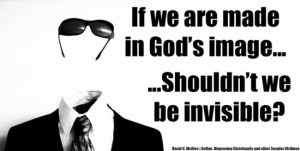
The picture on the right is from an atheist website that is trying to mock Christianity for exactly this reason. But the picture has got one thing right – God is invisible. This is clearly taught in Colossians 1:15, 1 Timothy 1:17 & Hebrews 11:27. The Bible also says this another way, by describing God as “Spirit”. This is most clearly taught by Jesus in John 4:24 and Jesus defines what it means to be a spirit as “not having flesh and bones” in Luke 24:39. Isaiah 31:3 makes the same point as well.
Basically the idea is that God is not restricted to a finite physical form. This allows God to be omnipresent and able to manifest his presence in any place he chooses in any way he chooses (burning bush, pillar of fire, Angel of the Lord, presence in the Holy of Holies in the Temple, etc.). God is often described with use of human-like actions like in Luke 1:51, “He has performed mighty deeds with his arm.” but this is clearly metaphorical or analogous, like in Psalm 91:4 that says, “He will cover you with his feathers, and under his wings you will find refuge.” Now we don’t think God looks like a chicken because of descriptive language like this.
So, if God is an invisible, eternal Spirit, with no fleshly physical body, then being made in his image can not mean that we physically look like God and it definitely doesn’t mean that God looks like us. This is wonderful news because it means that no one human looks more like God than another. In Mormonism, because they believe God looks like a man with a physical male body, then women can never really be “made in God’s image”, or at least men are a closer image to God than women. This is not true in Judeo-Christianity. The Bible’s message is ALL people, no matter what you look like, no matter whether you are old or young, fat or skinny, male or female, able-bodied or severely disabled – you are made in God’s image.
2. Being made in God’s image does not mean you are equal to God.
The fact that we are made in the image of God should not give us a sense of superiority or arrogance over the rest of creation. It does not mean we are demi-gods or divine beings that deserve glory and honour and the submission of all animals and plants. In fact, it should inspire in us exactly the opposite feeling. Think about it. What’s the point of an “image”? The image of the Queen on an Australian coin, or the photographic image of your grandma in that photo frame on your wall. Or even the image of yourself in the mirror. The purpose of an “image” is to point to something other than itself. As John Piper says in his sermon entitled ‘Why Did God Create the World?’:
“The point of an image is to image. Images are erected to display the original. Point to the original. Glorify the original. God made humans in his image so that the world would be filled with reflectors of God. Images of God. Six billion statues of God. So that nobody would miss the point of creation. Nobody (unless they were stone blind) could miss the point of humanity, namely… God. Knowing, loving, showing God.”
Being made in the image of God does not make you a God. It does not make you equal to God. It should never inspire arrogance or a sense of privilege or superiority. It should never justify selfishness or self-glorification. It should never be used, as it sadly has been, as an excuse to kill animals however we want, destroy the environment however we want and use the world’s resources however we want. By it’s very definition, to be made in GOD’s image actually tells us that life is not about us. It’s about God. It puts us under God and shows that we are made for God’s glory, not for our own.
In fact, the very first people who were created in the image of God, Adam and Eve, got it wrong in exactly this way. The temptation of eating the forbidden fruit, was the temptation to disregard God’s authority over them and claim independence from God to choose right and wrong for themselves. This is what the “Tree of the knowledge of Good and Evil” was all about. As the serpent falsely promises them in Genesis 3:5, “when you eat of it your eyes will be opened, and you will be like God, knowing good and evil.” The great temptation in the Garden of Eden wasn’t to just do something naughty, it was to become like God. They were not satisfied in being made in God’s image, they wanted to be the original. They wanted to be God.
This is the great heart of all sin and the great problem with all humanity. It is especially tragic when the very concept of being made “in God’s image” is so grossly misused to perpetuate the arrogant idea that we are equal to God – when in fact, it means exactly the opposite.
3. Being made in God’s image does not mean you are a child of God.
Now this point might be the hardest one to accept. I’m sure you can see how the first two false ideas of being made “in God’s image” might be used to oppress or harm, but what could be wrong with saying that everyone is a child of God? Doesn’t that also express the unity of all mankind and the intimate relationship we all have with our Creator? Well that sounds all nice, but the issue is that it’s simply not what the Bible teaches. The Bible does teach that every person, no matter what gender, age, race or religion is created in the image of God, and this is a wonderful, awe-inspiring thing (as I will explain in part 2 of this blog series), but the Bible does not teach that every one is a child of God.
The song, “God Help the Outcasts” that the character Esmerelda sings in the Disney cartoon, “The Hunchback of Notre Dame” includes the final line, “I thought we all were the children of God”. Well, a lot of people think this. The idea that everyone is one of God’s children has just become part of our modern quasi-spiritual vocabulary and is seen as pretty much the same thing as the idea that everyone is made in God’s image, but the two are very distinct concepts and it is actually vitally important to see the difference.
As mentioned in the previous point, sin is a problem in our lives. Although God is our Creator, we want to be more than simply his image – we want to be God, choosing our own good and bad and wearing the crown in our life rather than letting God rule as he deserves to. This rejection of God, whether it be conscious or not, creates a fracture between us and God. We go from being friends to strangers – or even enemies. This is symbolised in the Adam & Eve story by them having to leave the Garden of Eden. No longer could they commune with God. God became distant and humanity experienced the great consequences of this distance – confusion of identity, inability to conquer sin, fractured human relationships, a fallen creation and in the end, physical death.
This is the world we still live in today. Most people believe that some sort of God exists (that may be due to our being “images of God”), but everyone feels distant from God and endures the pain and confusion of this fallen world. It may even lead people to think that God doesn’t even exist! But the reality is that we are outside of God’s family. We are lost and need to be found. We need to be adopted.
It may sound offensive to suggest that you are not naturally one of God’s “children”, but hopefully it rings true to your experience. If you feel distant from God or maybe you don’t even know if he exists, then don’t try to comfort yourself by warm and fuzzy bumper stickers trying to convince you that you are God’s child and God is your Heavenly Father. Maybe he’s not! Calling God your “Father in Heaven” (as the Lord’s Prayer instructs us to) is a privilege only for those who have been adopted into God’s family. Read the following passages to see where I get this idea from Scripture:
“He [Jesus] was in the world, and though the world was made through him, the world did not recognize him. He came to that which was his own, but his own did not receive him. Yet to all who received him, to those who believed in his name, he gave the right to become children of God – children born not of natural descent, nor of human decision or a husband’s will, but born of God.” (John 1:10-13)
“Jesus replied, ‘The people of this age marry and are given in marriage. But those who are considered worthy of taking part in that age and in the resurrection from the dead will neither marry nor be given in marriage, and they can no longer die; for they are like the angels. They are God’s children, since they are children of the resurrection.'” (Luke 20:34-36)
“Therefore, there is now no condemnation for those who are in Christ Jesus,because through Christ Jesus the law of the Spirit of life set me free from the law of sin and death…You, however, are controlled not by the sinful nature but by the Spirit, if the Spirit of God lives in you. And if anyone does not have the Spirit of Christ, he does not belong to Christ… because those who are led by the Spirit of God are sons of God. For you did not receive a spirit that makes you a slave again to fear, but you received the Spirit of adoption as sons. And by him we cry, Abba, Father. The Spirit himself testifies with our spirit that we are God’s children. Now if we are children, then we are heirs – heirs of God and co-heirs with Christ, if indeed we share in his sufferings in order that we may also share in his glory.” (Romans 8:1-2, 9, 14-17)
“How great is the love the Father has lavished on us, that we should be called children of God! And that is what we are! The reason the world does not know us is that it did not know him. Dear friends, now we are children of God, and what we will be has not yet been made known. But we know that when he appears,we shall be like him, for we shall see him as he is.” (1 John 3:1-2)
To be a “child of God” reflect a unique relationship with God. A child of God is an adopted part of God’s family and as these passages show, this is what Jesus came to do. Jesus’ death on the cross has paid the penalty for the sin that kept us estranged from God. Jesus has made it possible for that relationship to be restored. Through trusting and believing in him, we can find forgiveness and reconciliation with God, making it possible for the Father/child relationship to begin.
It may at first offend you to think that although all people are made in God’s image, only followers of Jesus can be called “children of God”, but this offer of welcome and reconciliation is open to all. No matter how bad you think you are and no matter how distant you feel from God, the offer of adoption is open to you.
The reason it is vitally important that we distinguish between the concepts “made in God’s image” and “one of God’s children”, is because if you are taught that you are in God’s family and God is your Heavenly Father, simply on the basis that you were born, you will never see your need to be born again. Eventually you will become disillusioned with the whole concept of God, as on one hand you are told you are as close to God as a child is to their father, and yet your reality is that you feel very distant.
My hope in clarifying this difference is to point you to the great hope that thanks to Jesus, becoming a “child of God” is possible for you. You do not need to be distant from God. You can know his presence, his forgiveness and his Fatherly love, both now in this life and beyond death.
So there we go. That’s a few things that it DOESN’T mean to be made in God’s image.
It doesn’t mean that we look like God, are equal to God, or that we’re his children. It doesn’t mean that God has a body, is equal to us, or that he’s naturally our Heavenly Father.
So, now that we’ve gotten some of the false ideas out of the way, what exactly does it mean?
Well, if this blog has left you feeling like whatever it means, it can’t be all that good, then stick around. Part 2 will be coming in a week or so.
And in part 2 I will explain what it does mean to be made in God’s image and what a wonderful, life-changing concept it is! Getting your head around it and embracing it will completely shape your sense of the identity, purpose and dignity of the entire human race.
So stay tuned!
If you have any comments, please leve them below,
or if you’d like to ask me anything directly, feel free to email me atsimon@thebackyardbard.com
For countless Christian guys (both married and unmarried) their struggle against pornography is turning into a losing battle.
Believe it or not, porn addiction is the number one sexual issue that the church is facing today. It is destroying marriages, hijacking ministries, and slowly but surely making the majority of guys feel weak in their faith, distant from God and disqualified from useful service.
Porn itself is ridiculously accessible, powerfully addictive and full of lies and illusions about men, women, sex, God and where we can find our identity and ultimate fulfillment.
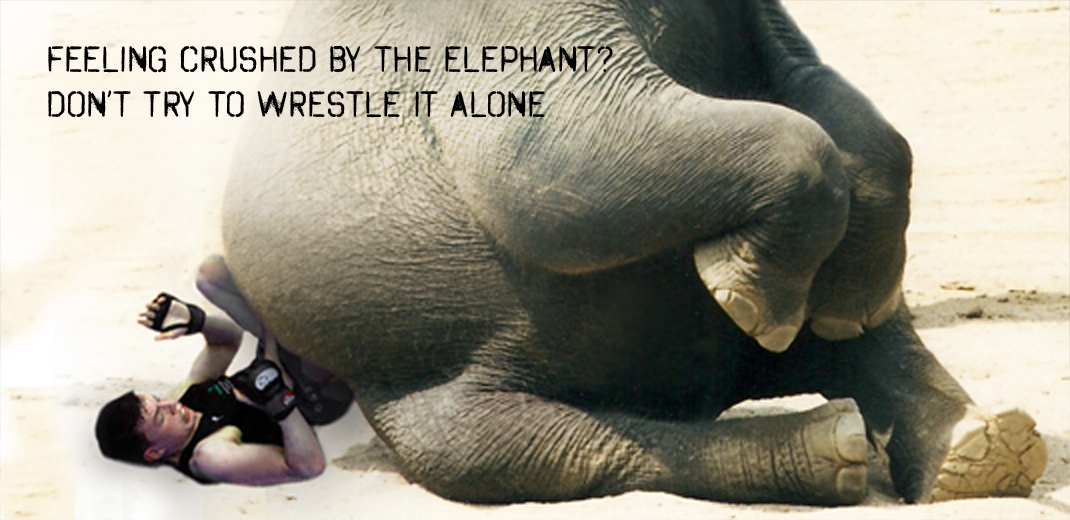
One of the biggest problems as I see it is that although porn is the “elephant in the room” for most guys – we very rarely talk about it. Even with our close friends or mentors, how we are going in the area of sexual purity outside of marriage, and sexual faithfulness inside marriage, is one taboo that we often steer clear from. It is often too full of shame, regret and confusion and we convince ourselves that we don’t need help or we can do it alone by sheer will power.
We need to develop a culture where we can easily talk about this issue, not because like the rest of society, we don’t think it’s a big sin, but because we have experienced the grace of the gospel, and so that grace can be extended to all those who trust in Jesus. We should have no shame in bringing our sin into the light and when we do we should experience no condemnation from our brothers in Christ, because as Romans 8:1 says, “there is now no condemnation for those who are in Christ Jesus.”Â
Helping Christian guys who struggle with porn and building a culture of grace in the church is one of my greatest passions.
If you didn’t know I also run a ministry and a website (that needs a lot of work!) called “Elephant Room”. Check it out here.
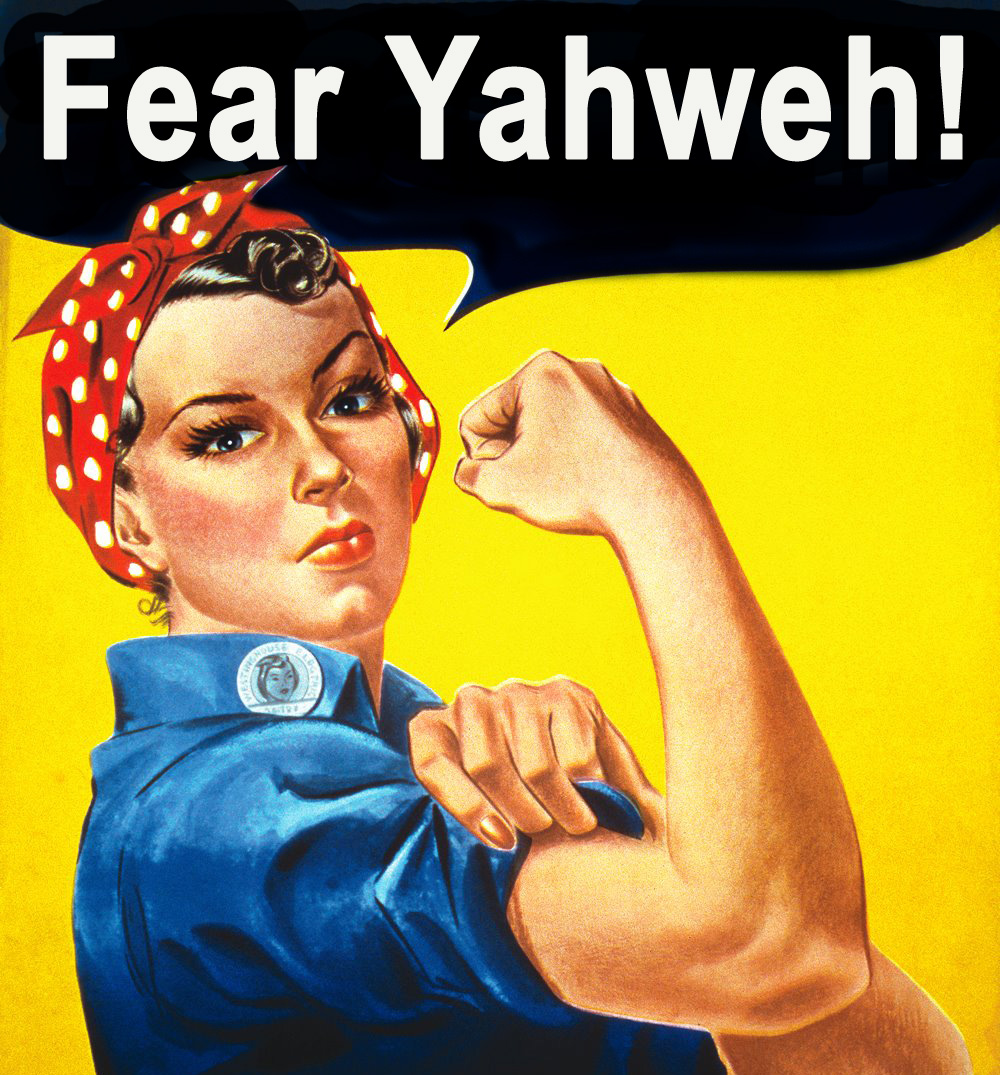
This is my version of Proverbs 31:10-31, to the tune of “Short Skirt, Long Jacket” by Cake.
For those that don’t know the passage, the woman described is actually a personification of Wisdom. It is not meant to be (thank God) a check-list for godly women!
This comes right at the end of King Solomon’s collection of wise sayings, known as the Book of Proverbs. Wisdom is always portrayed as a woman and he ends his book by summing up all the things he has said about how to live a wise life – working hard, being prudent etc. His climax is the final line that says that although beauty doesn’t last, the ultimate defining characteristic of wisdom is the fear of Yahweh (“Yahweh” is the name for God). This echoes what he says near the beginning of the book in Proverbs 9:10, “the fear of Yahweh is the beginning of wisdom”.
The “fear of Yahweh” is an odd concept in today’s culture where we value conquering our fears and see those who instill fear in others as cruel or just a bully.
Some people try to soften the idea down to say that “fear” really just means “respect” or “awe” and although this is true, the word also means, “be afraid of” pure and simple.
I equate it to the sun. The sun is glorious and life-giving. But you don’t go hugging the sun. You shouldn’t even stare at the sun, it is too brilliant. True we should give the sun respect and awe, but at the same time it is foolishness to forget the consequences of treating the sun with disrespect or apathy. In this regard, we fear the sun. When we are where we should be and we relate to the sun as it truly is – a giant ball of burning fire hotter than anything you can imagine – then we can enjoy it’s warmth and light.
God is a bit like that, although I know the analogy has LOTS of holes.
I want a girl of noble character.
Oh who can find a wife like that?
She has a worth that shines like rubies.
Her husband’s confident and doesn’t lack.
 I want a girl who brings forth good.
Good not harm all the days of her life.
She selects wool and flax. She’s working with her hands.
She brings food like the merchant ships – that’s my kinda wife.
I want a girl not who’s hot
But who feeeeears… Yahweh!
I want a girl who gets up early.
I want a girl who provides food for all.
She’s considering a field. She’s buying her own vineyard.
She works really hard and her arms are strong.
 She sees that her trading makes profit.
Her lamp doesn’t go out at night.
In her hand she holds the distaff
and her fingers grasps the spindle tight.
I want a girl not who’s hot
But who feeeeears… Yahweh!
Her arms are open to the poor and needy.
And when it snows, she isn’t scared.
For all her family are clothed in scarlet.
And see the fine, purple linen that she wears.
Her husband honoured at the city gate,
He takes his seat among the elders of the land.
She’s making linen garments. She’s going out to sell them.
She supplies the sashes to the merchant man.
I want a girl not who’s hot
But who feeeeears… Yahweh!
She is clothed with strength and dignity.
She can laugh at the days to come.
She speaks always with wisdom,
and faithful instruction is on her tongue.
 She runs her household and isn’t lazy
Her children rise and call her blessed;
Her husband gives her praises saying,
“Many women are noble, but your the best.”
I want a girl not who’s hot
But who feeeeears… Yahweh!
Charm is deceptive, and beauty is fleeting; but a woman who fears the Lord is to be praised. Give her the reward she has earned, and let her works bring her praise at the city gate.
Seven blind men were on a quest to discover the truth of the elephant.
One day, the first blind man bumped into something. “I’ve found the elephant!” he yelled with excitement.
The group cheered and asked, “What is it like??”
The first blind man felt around and replied, “Hmm. It’s long and thick like a big snake!”
The second blind man reached out his hand and felt the elephant that was infront of him. “No” he said, “It’s sharp and pointy, like a spear!”
The third blind man bent down and grabbed the elephant. “You’re both wrong! An elephant is wide and round, like a pillar!”
The fourth blind man described what he was touching and said, “Well you’re close, but an elephant is actually wide and flat, like a huge fan.”
The fifth blind man said, “You guys are fools! An elephant is clearly large, rough and flat, like a brick wall.”
The sixth blind man said, “Heresy! I know for a fact that an elephant is long and thin, like a piece of rope. You should all be burned at the stake!”
The six blind men continued their heated arguing, each one convinced that what they were touching told them the truth of the elephant.
The seventh blind man simply shook his head. “Silly men!” he said with a sigh. “Don’t you realise that you are but holding one part of the elephant and that in truth, all of you are right!”
The six blind men stopped their arguing and asked, “What do you mean?”
The seventh blind man continued, “Well, you…” addressing the first blind man, “…are simply touching the elephant’s long trunk which feels like a big snake.”
He then addressed the other men, “You are touching its tusks which feel like a spear. You are touching its leg which feels like a pillar. You are touching its ear which feels like a huge fan. You are touching its side which feels like a brick wall. And you, my fiery friend, are holding its tail which feels like a piece of rope. You can not see or feel the whole elephant. You can only experience the part you feel. You must not judge or condemn others for knowing the elephant to be different from you. You are all right! Each one of you should share your knowledge of the elephant with each other and together you will come to true enlightenment. Only when all of your truths are combined will you fully discover the truth of the elephant.”
“You are clearly a man of deep thoughtfulness…”
“Why thank you!” the seventh blind man replied. He then paused, confused. The voice he had just heard did not sound like any of the other blind men. “Sorry, who said that?” he asked.
“I did.” the voice replied. “I understand you didn’t notice that I’ve been standing here the whole time. I can see you are all blind.”
“Yes, we are. So.. you have the gift of sight then?” the seventh blind man asked curiously.
“I do” the voice replied. “Would you like me to share what I see?”
“Oh, yes!” the seventh blind man said with a smile. “You see, we are on a quest to discover the truth of the elephant, and we have finally found one! Please, tell me what you see!”
“Are you sure you want to know? By what you said to the others before, you seem to already possess great wisdom about the elephant.”
“But that’s exactly the point of what I was saying!” the seventh blind man said encouragingly. “All of our perspectives are valid and important. Please share the truth of what you see and then your truth can be added to our truths.”
“Fair enough.” the voice replied. “Although I’m not sure you’re going to like it. What I see is quite different to what you may think is before you. The first blind man bumped into one of the other men and grabbed on to his companion’s arm. His blind friend seemed used to this and so wasn’t aware that when he spoke of the elephant feeling long and thick, like a snake, he was actually talking of his arm.”
“His arm??” the seventh blind man exclaimed, “So the elephant isn’t there at all?”
“Oh the elephant is there. He was not far off in fact. But, being blind, he didn’t know where to reach and he just grabbed for whatever he could find. An arm is as good as an elephant to someone who can’t see any different. The next three blind men made a similar mistake. One man is touching the pointy end of a tree branch and it feels to him like a spear. Another man is reaching up and touching the tree’s broad, flat leaves which feel like a fan. And the third man is kneeling in front of the tree and hugging its wide pillar-like trunk. You were right that the elephant’s leg is very similar in shape. You were also right that these three men should stop their fighting and realise they are simply holding different parts of the same object. You just couldn’t see that their squabble is over the truth of the tree. Sadly, none of them are actually holding the elephant.”
The seventh blind man was stunned and confused. “And what of the others?” he asked.
“Well…” the voice continued, “There is another man who is, believe it or not, literally touching a brick wall. It feels exactly like a brick wall, but he so desperately wants it to be an elephant his imagination compliments his desires. He can not accept the truth that is right in front of him. I do so wish he could see. He might be disappointed at first, but walls are rather lovely to look at up close and eventually he could continue on his quest to find the elephant that is actually standing so close to him. As it is I fear, he may well be standing in front of a brick wall for years, thinking his quest is over.”
“How sad,” reflected the seventh blind man. “But what of the man holding the tail that felt like a rope? He was so confident! So quick to condemn the others! What is he really holding? A tail? A rope? A vine from a tree?”
“Nothing.” said the voice. “This blind man is holding absolutely nothing in his hands. He simply heard the other men claiming knowledge and felt like a fool when he reached out and couldn’t feel a thing. See, he wasn’t standing near the tree or the wall or the elephant. He was facing in completely the wrong direction. But his pride and his fear could not leave him empty handed, and so he claimed to hold the truth of the elephant, knowing no one else could prove otherwise.”
“Other than you, of course.”
“Other than me.” said the voice, sadly. “I see all too clearly his pride and his lies and his fear, and yet he will live his life and never see me.”
The seventh blind man and the voice went silent for a long while. Eventually, the man swallowed hard and asked, “Sir, please… Can you tell me who you are?”
“Haven’t you guessed already?” the voice replied with a smile. “I am the elephant.”
“The elephant??” the seventh blind man said, now more confused than ever. “But elephants can’t talk!”
“How do you know? You are on a quest to discover the truth of the elephant. How do you even know that an elephant has a trunk like a snake or ears like a fan or a tail like a rope? You cannot see. You are blind to the truth of the elephant and you are also blind to the truth of yourself. You claim wisdom and insight that all truths are right and everyone is just holding different parts of the elephant, but you do not know. You are as blind as everyone else. But maybe… you don’t have to be.”
“What do you mean?” the seventh blind man said, a little worried.
“Well, I am a talking elephant. I quite possibly possess other magical qualities that you are unaware of.”
“You mean…” the blind man stammered. “Can you heal my eyes?”
“Do you want me to?” the elephant asked curiously. “Do you realise what that would mean? If I gave you your sight, you would see things as they really are. You would see where I am and what I look like. You would know the truth and the truth would set you free. But there is a downside.”
“How could there be a downside to knowing the truth?” the blind man asked.
“Well, when you see the truth, you also see the lies. You would see your companions and be able to point them away from their false “elephants”, but they will still be blind. They will not believe you.”
“Of course they won’t, but they’ll believe you!”
“They will call you arrogant and narrow-minded for claiming to know the truth.They will rather you continued to teach what you taught before. That each of their truths are true. That message is one of peace and tolerance. The real truth divides and causes conflict. Why don’t you simply stay blind and continue n the path you were on when I found you?”
“But how could I? Oh, please let me see you! My quest was for the truth of the elephant… no matter what that turned out to be.”
And with that, something like scales fell from the man’s eyes and the brilliance of light pierced his vision. As his sight slowly came into focus, there before him was the scene of his six blind friends, exactly as the elephant had described them. And next to the tree, there was the elephant. Grand and magical and bright green. With a huge trunk and two glorious wings and smiling eyes that twinkled in the sunlight.
I have always had a great interest in memory and how the brain works. This is partly due to my discovery at a young age that people sometimes did feats of memorisation as a sort of magic trick, but it is also due to my horrible memory. Anyone who knows me, knows that I can’t remember names, am always forgetting details and am very embarrassed by this flaw that effects me nearly every day. If you don’t know me, you might think that I have an amazing memory from the fact that I can remember whole books of the Bible (I toured a performance of “Philippians” in 2011) and I can do impressive tricks like the one in the video below.
In the video, I recall 25 random words and am able to tell you exactly which word is at which number on the list in any order I am required to.
I then go on to explain the method I use and how you can use it yourself. Enjoy.
The philosophy behind it is called the Baker/Baker principle, which I learnt from a fascinating TED talk that I watched recently. I will also include that below. (If there is nothing below, click HERE to see the TED talk)
The basic idea is that if you asked one person to remember a man named “Baker” and you asked another person to remember a man who is a baker, the person trying to remember the name will forget more easily than the other person. The reason is because the name “Baker” means nothing, whereas the profession “baker” is quite meaningful to us.
The secret to seemingly amazing feats of memorisation is to be able to turn forgettable facts into meaningful memories – to turn “Baker” into a baker.
This is my wedding ring. I designed it myself and it holds a lot of symbolic meaning for me. I thought I’d share it with you. I also thought of sharing with you some of these best silicone wedding rings I found.
Firstly, a wedding ring for me is a powerful symbol. If you’re not into rings, or you just think they’re another scam of a materialist culture (like diamond engagement rings), that’s totally fine. The meaning I give wedding rings is totally my own. I don’t base it on any Bible verse or spiritual insight, but I do believe that ritual, traditions and symbols (even when humanly invented) are very powerful things. Also, I think socially, there is a sense that wedding rings do communicate that someone has made the commitment of marriage. I know women who, when they meet a guy, will immediate take note of whether they are wearing a wedding ring or not, and the idea of the sleaze-bag guy who takes off his wedding ring when he goes on a work trip, is looked on with contempt by general society, even in this climate of the scepticism or redefinition of what marriage is about.
My thoughts about the powerful symbolic nature of the wedding ring became most potent in my life during my three and a half year long separation at the end of my first marriage.
For those three and a half years I had to decide whether I would wear my wedding ring or not. My wife had taken her ring off pretty much at the beginning of the separation and I do think it contributed to her belief that the separation was for her, when we became emotionally divorced. But for me, I was fighting for reconciliation and in my mind (and I believed, in God’s mind) we were still married, and so, I wore the ring. There was in fact, only a brief period over those three and a half years (about a month, I think) where I decided to take the ring off. This, in itself was a very powerful thing to do and I think I did it at the time because my obsession with restoring my marriage was causing me unhealthy depression and so I decided to symbolically “take a break”. I did not completely take off the ring though. I put it on a chain around my neck until I felt I could put it on my finger where it belonged.
This simple band of gold was for me a symbol of my vows. It represented the fact that I was committed to the promises I had made and that in my mind at least, that I was still married.
That is why, when the divorce became finalised, I knew what I had to do to accept the reality that my mariage had ended. I had to take off my ring.
As I had been fighting so hard for my marriage for so long, I thought that I better do something even more potent than simply take it off, and so, on the day before my divorce was finalised I invented a little ritual. Having worked in the funeral industry for a while, I have come to see the importance of the funeral experience in the process of grief and acceptance and so I decided to have one of my own little funeral-type ritual. The counsellor I was seeing at the time recommended that I draw a line on the ground somewhere and go for a long walk thinking through my entire relationship and then come back to that line and simply… walk over it. This would physically symbolise the moment that my marriage ended and that I was walking beyond it. I liked this idea and so incorporated it into my little ritual.
I went to the spot where I had proposed to my first wife – It’s in a park in the city of Melbourne – and at the exact spot where I had bent my knee to ask her to marry me, I once again bent down and dug a small hole in the dirt. There I sat and cried and prayed as I held in my hand the photo I had kept in my wallet throughout the separation. And when I was ready, I took off my wedding ring and placed it along with the photo, into that small hole and covered them up. Then I stood up and went for a very long walk and did exactly what my counsellor had advised. I eventually came back to that spot where my wedding ring was buried… and I stepped over it. I walked forward as a single man and kept on walking. That moment was extremely powerful and helpful.
If you are facing divorce and you need to accept its reality in your life (I’m not commenting here on situations where a legal divorce would not constitute a “real” divorce in God’s eyes – that’s maybe for another blog!), then I would suggest doing some sort of ritual like this. I also had friends around that evening and I played a variety of songs that had been significant to my marriage and prayed and received their comfort. You should do what would be significant and helpful to you. The main thing I would suggest is not to wait for the legal certificate of divorce to come in the mail to be your “marker” or “moment of acceptance”. The document may take a bit to get to you and it is a cold symbol. Also, you need to file that document away and keep it safe so that you can marry again in the future, so don’t treat it with too much symbolic or emotional significance as you may end up destroying it.
Anyway, back to the subject of wedding rings.
By God’s kindness and mercy, a couple of years after my divorce I was looking for a new wedding ring. I had met Cat Wort, a wonderful, fun, godly and genuine woman, and a week before we had been dating for a year, I had asked her to marry me.
Now, after all that I have shared in the first part of this blog, I’m sure you can understand how thinking about purchasing a new wedding ring was quite an emotional thing for me. After all that I had been through, what did a wedding ring mean to me? Did it hold that traditional concept of a perfect unbroken circle of eternal commitment?
Well, I thought through a lot of this, and realised that no matter what I chose, I knew two things – One, I wanted the ring to be gold, and two, it had to be different from my first ring.
The “it had to be gold” thing was completely meaningless I could admit, but I couldn’t shake it. I looked and looked at heaps of other options, but I couldn’t get past the idea that deep in my psyche, there is implanted a cliche that a wedding ring is gold. The titanium wedding ring for men and the solid sterling silver men’s rings just didn’t feel right. It’s not a great argument, but, with Cat’s encouragement, I admitted to myself that it being classic yellow gold was actually important to me.
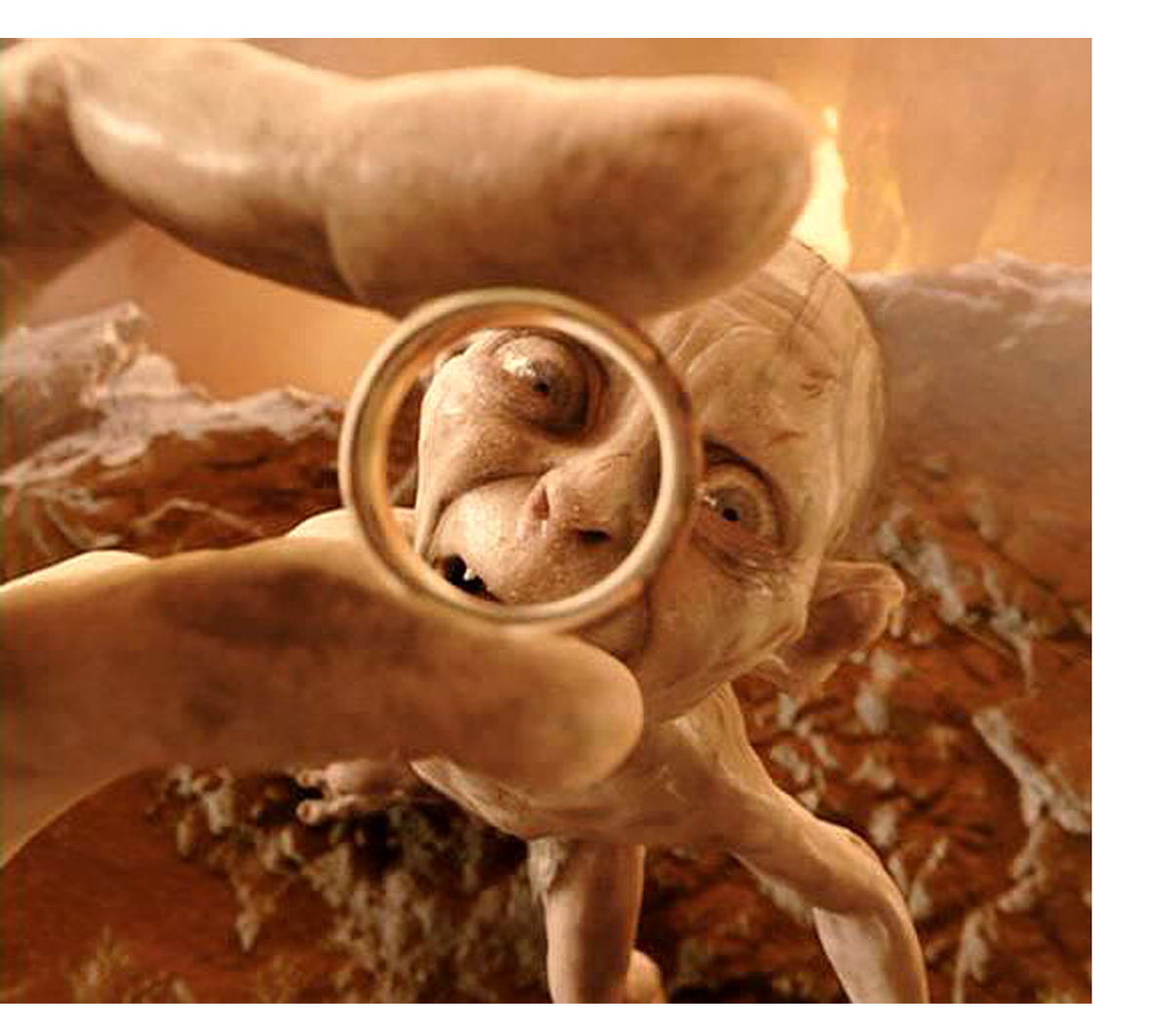
It also had to be different from my first ring. This was a bit trickier to accomodate. My first wedding ring was the classic simple band of gold – like the ring in “Lord of the Rings”. These you can find in any jewellery store.
Unfortunately, that first ring had so powerfully become a symbol to me, I knew I couldn’t buy another one that looked like it. I knew my new marriage wasn’t simply a replacement for the old. Cat wasn’t a substitute or a re-run. I never even refer to her as my “second-wife” and I never want her to feel like anything less than my “wife”.
So, I knew the ring that symbolised my marriage to her had to be special. I wanted it to symbolise what I had learnt about marriage and be a reminder to me and anyone else of those truths. I hope one day I can show my wedding ring to my kids or grandkids and explaining its meaning to them.
After searching high and low, and getting a little bit stressed about it, I found a little jewellery maker on Sydney Rd in Coburg (right near where I lived) and saw in the window a ring that looked like it was made up of lots of panels. It was very cool, and creative and so I tried it on. I really liked it and and was even more pleased after I found out that I could use that concept of the panels and design my own original ring and it wouldn’t cost any more.
After a few sketches and different designs, I eventually came up with the one I am wearing today. It says a few things to me…
The Broken Ring
The first thing you might notice about my ring is that it’s not just a solid band of gold. It’s made up of all these panels in a brick-like pattern. Now, I didn’t intend for it to imply that my first marriage was solid and now my new marriage is somehow broken, but it does reflect something of my experience. There is a fragility in marriage that I think all married people should acknowledge.
In hindsight, I see that in my first marriage I had, what I call a “Titanic” view of marriage. I thought, because we were both Christians and we were making a life-long commitment, that, like the Titanic, not even God could sink this ship! One of the reasons why so many people died on the Titanic was because they had such an expectation that the ship was unsinkable, they they did not take the proper precautions to make sure people would survive if they ever struck a big enough iceberg. They didn’t have nearly enough lifeboats and they had a poor emergency strategy. I think I thought of my marriage like that. I thought, as a Christian, I will never consider divorce an option – which I think was a godly position to take – but this foolishly fostered in me an over-confidence that meant I did not expect that we would ever hit a big enough iceberg to sink us, and because of that, I did not protect my marriage and ensure we had a healthy enough relationship to save us if disaster ever struck. So when we hit a big iceberg, the weakness of our marriage was exposed and the ship sunk.
The brick-like panels of my wedding ring reminds me that although my first marriage was broken, God is a God of redemption and restoration. He taught me so many things about his character, about my need and about how I should properly and biblically think about marriage, my identity in Christ, and where my hope must ultimately lie. So, like a broken wall being rebuilt, God has rebuilt my life and graciously given me a marriage that is built on the right foundations.
I look at my ring and the fact that it is made up of panels reminds me that on one level my marriage is fragile. Like a brick wall, it is made up of pieces, but it is also well constructed. I am confident that my marriage to Cat will last until death do us part, not because of the strength of our commitment or simply the fact that we are Christians and so divorce will never seem like an option… I am confident because acknowledging our fragility helps me to be committed daily and diligently and most importantly, it helps me to be dependent on the one thing that truly holds our marriage together – the gospel.
The Cross
Another aspect of the ring that you may have noticed is that the spaces between the panels create the shape of a cross.
For Christians, the cross is the heart of Christianity. There is nothing magical about the symbol itself. It refers to the horrible place of execution that Jesus experienced. So why is this symbol of death and disgrace the central symbol of Christianity? And why did I chose for it to be the key symbol on my wedding ring?
Well, there is so much that could be said about this topic, but I will try to just make three main points relevant to my marriage.
Firstly, the cross is the place where sin is acknowledged and dealt with. Marriage is always a commitment between two sinful people. In your wedding vows, you are making huge commitments that inevitably you will fail to keep perfectly. Your love will be mixed with selfishness. Your trust will go through seasons of doubt. Even your fidelity will be tested and you may struggle with attraction for other people or temptation to engage in porn use or even worse. If you have no way of dealing with sin and empowering forgiveness, then you will inevitably have a marriage that is based on performance and devoid of grace.
Our relationship with God is based on the grace found at the cross of Jesus. We can’t even begin to engage with the gospel if we can not acknowledge the most basic of all truths – that “all have sinned and fall short of the glory of God” (Romans 3:23). We come to God with our sin in our hands and God comes to earth in Jesus and welcomes us into his family. But he doesn’t ignore our sin or sweep it under the carpet. He takes it onto himself and bears the full punishment it deserves. In the cross, our sin is rightly acknowledged as wrong and yet at the same time, it is paid for and dealt with. The cross is the place of atonement. It is the fulfilment of all the Old Testament sacrifices. It is the doorway to forgiveness. As Peter writes, “For Christ died for sins once for all, the righteous for the unrighteous, to bring you to God.” (1 Peter 3:18).
The wonderful thing now is that, in trusting in what Jesus did on the cross, we can be reconciled to God and enter a relationship with our Creator that is not based on guilt or winning God’s favour by being good. Guilt is completely done away with. There is no judgement, no condemnation, no distance. Our relationship with God can begin and be built on grace and mercy and forgiveness. God still acknowledges our sin, but having being dealt with on the cross, is it no longer a thing that separates us from him, and so he can help us to change from the inside out.
This is how marriage should operate also. Because God has forgiven my sin and Cat’s sin, how could I hold any sin against my wife? As Paul instructs us, “Therefore, as God’s chosen people, holy and dearly loved, clothe yourselves with compassion, kindness, humility, gentleness and patience. Bear with each other and forgive whatever grievances you may have against one another. Forgive as the Lord forgave you.” (Colossians 3:12-13)
Because the cross is the centre of our mariage, it is the place where we can acknowledge and deal with the sin in our marriage. It is the place that shows us and empowers us to forgive each other. When we are both daily remembering the wonder of God’s grace and mercy to us, this overflows into grace and mercy for each other and for ourselves.
It also means we can be honest about when we sin and when we are sinned against. Because we do not fear condemnation from God and we do not fear condemnation from each other, we can bring up areas of failure freely (though still with sensitivity) and we can deal with them quickly and without the need to justify, hide or defend our sin. Now, naturally, we sometimes fail at showing grace to each other, but even that failure is covered in grace!
Secondly, the cross is the greatest display and description of love. The bible passage that was central at our wedding was from 1 John 4:9-11. “This is how God showed his love among us: He sent his one and only Son into the world that we might live through him. This is love: not that we loved God, but that he loved us and sent his Son as an atoning sacrifice for our sins. Dear friends, since God so loved us, we also ought to love one another.”
Probably Jesus’ most famous teaching was to love our enemies, or love your neighbour as yourself. Clearly love is so important to marriage and everyone would agree that one of the saddest relationships is a loveless marriage. Staying faithfully committed is not God’s central goal for marriage. God wants marriage to be a place where love is experienced and deepened and displayed.
But what is love? What does it look like? Is it a feeling? Is it a choice? Is it simply a biochemical reaction in the brain? Well, if you are looking for an extensive list describing how love must practically demonstrate itself, then I’d point you to Paul’s brilliant and beautiful description in 1 Corinthians 13, but if you want it shown to you in a picture form, then time and time again the New Testament points us to the cross as the place where we see the love of God most potently displayed.
Again, that may seem odd. How can this symbol of death and torture show us God’s love? And how can it show us how we are to love each other? Well, in being willing to die for our salvation, Jesus shows us that selflessness is at the heart of love. Being willing to “die to ourself” for the good of our spouse, to bless rather than curse, to bear pain rather than inflict it, is what love is all about. It is not simply a warm fuzzy feeling that comes and goes and that we “fall into” and “fall out of”. It is a verb. It is a doing word. But at the same time, it is not devoid of emotion, like some sort of cold duty or theological principle. Love is passionate and genuine. Love longs for the good of the other. Love weeps when the beloved is hurting and is bold to fight for their good. As Paul says, “Love does not delight in evil, but rejoices with the truth. It always protects, always trusts, always hopes, always perseveres.” (1 Corinthians 13:6-7) These are practical words, but they are also emotional words.
And this is way Jesus loved us in dying for us on the cross. The cross in my wedding ring is a reminder that I must love Cat with the same sacrificial love that Jesus showed me. This is especially relevant for me as a husband, as part of the meaning and purpose of marriage is to be a living parable of the covenant love between Christ and the church. Christ is the “bridegroom” and the church is his “bride” and the Bible instructs Christians to display this dynamic in the way husbands and wives relate to each other. Specifically, to Christian husbands, Paul says, “Husbands, love your wives, just as Christ loved the church and gave himself up for her.” (Ephesians 5:25)
For Cat & I, the cross instructs our love, it models our love, it defines our love and it empowers our love.
Thirdly, the cross reminds me of my relationship with Cat that is deeper and longer lasting than marriage. Primarily, the cross is not about marriage. It is probably the greatest pivotal moment in all of history, where the greatest problem of mankind and all of creation was dealt its fatal blow. It is an event of epic and eternal consequences. Marriage, on the other hand, is quite insignificant in comparison. I do not define myself primarily by my marriage to Cat. Sure, I am her husband and she is my wife, but the cross on my ring reminds me that something so much more important is happening here. Our relationship as husband and wife will only last as long as we are both alive. As soon as one of us dies, we are instantly not married any more. Marriage is not eternal. It is fleeting like a breath, or as Ecclesiastes says… it is hevel (see my blog on Ecclesiastes for more). I do not put my hope or security or the centre of my identity in the fact that I am married. I think one of the problems in my first marriage was that I had done exactly that and came to discover just how “hevel” marriage really is.
At the most, I will be married to Cat for say, 40 years, and who knows, one of us could die any day (I work in the funeral industry, so I see how fragile life is). But as Christians who have come to the cross and put our trust in Jesus and found forgiveness and new life, we have become brother and sister in Christ. Now THAT is a relationship that will last! We will be worshippers of Jesus for eternity, which makes our 40 year long (if we’re lucky) marriage, seem quite small.
The best we can do for each other is to be faithful, not to each other, but first and foremost to Jesus. I want Cat to love Jesus more than she loves me, to be committed to Jesus more than she’s committed to me, and to seek to please Jesus more than she seeks to please me. And she wants that for me as well. Our relationship as spiritual siblings and fellow-followers of Jesus is deeper and richer and more eternal than our marriage. It is at the very core of our identity and so, consequently, it must be the very core of our marriage.
The cross is the mortar of my marriage
The reason why I did not design a ring with a cross engraved on to the gold surface is because the cross is not something I simply add on to my marriage to make it look more pretty or more religious. The cross is in the gaps of the broken pieces, holding them together. It is like the mortar in between the bricks. Take away the mortar and the brick wall can fall over with a bit of a push. But the mortar makes it all come together and gives it a strength that it would not otherwise have.
Likewise, the cross is fundamental to the strength of my mariage. Between every part of my marriage it can be found, and I like that my wedding ring displays this. When I look at it, the brick-like panels mean that I can see the cross in my direction, and in the next two panels, the cross is shown out to the world. This was unintentional, but I like the fact that this message of the centrality of the cross is displayed to myself and others at the same time.
;
The final thing I have unintentionally found that my wedding ring teaches me is how much of a pain it is to clean! Because of all the little gaps, it is so easy to get dirt and grit and shaving cream and hair mousse stuck in between the panels. It makes me keep an eye on whether it is getting gummed up or dirty, and it reminds me to protect it when I am about to do something that could clog it up. But, I guess, that’s a great lesson for marriage as well!
So, what’s in a ring? Well, for me, quite a lot. I know that rings are just bits of metal, and that they are easily lost or stolen. I also know that symbols, like rings, can make us feel like we are really doing marriage, when they really mean nothing if we do not do the real and practical work of loving and forgiving and serving every day.
I only hope that for as long as I have it on my finger, I can look at my ring often and be reminded of what my marriage really means.
God says to you, “My child, I don’t usually do this, but I want to tell you what is going to happen to you over the next two years. You are going to get cancer and will need home care from https://homecareassistance.com/west-chester/. It’s going to be bad and it’s going to be untreatable. I could prevent it and I could cure it, and that would give you many more years with your spouse and your young son, but I am not going to do that. Your family and friends will be praying for a miracle and I will hear their prayers and I will comfort them and you in your pain and grief and loss, but in your situation, I will not grant their request for healing. I have other plans for you.
See, I have used the last two decades of your life since you accepted the gospel and my Spirit has been at work in you, to strengthen your faith and forge your character for such a time as this. I will allow this suffering in your life because, and only because, I know that it will not shipwreck your faith. Many other Christians I protect from going through such an ordeal because I know it would completely crush them. It would not bring them closer to me. But in your case, you will come through and finish the race with your trust in me deepened and your knowledge of my love grown. You will have very dark times of doubt and you will cry out to me in frustration and confusion and wonder where I am in the midst of your suffering, but I will always be there and you will discover me in the darkest of pits.
My ultimate concern is not that you have a long life (at least not in this creation), my ultimate concern is not that you see your son grow up or that you achieve your career potential. My concern isn’t even primarily that you have a happy and pain-free life. All those joys will be for you complete in the new creation. For this life, my ultimate concern is that you know me, and that others know me through you.
This is actually why you will get cancer. Your life, though it will only be for another couple of years, will be a testimony of how a Christian faces suffering. Many will see how you prayed and prayed and came to me and relied on me for comfort and joy and strength and hope. This ordeal will show many how precious I am to you, and how when much of the pleasures of this world is taken away, you still have me and you are still satisfied. That will glorify me so much and encourage so many fellow-believers to continue in their walk with me.
But more than all that, the most profound way that your testimony will be used will be something you will never see in this life. It will be for the sake of your grandchild who you will never meet until the new creation.
Her name will be Talibah. She will be your son’s third child. She will run away from me most of her life and after her second miscarriage she will deny that she even believes I exist, though I will still be seeking her and drawing her to me. When I chose a human soul that I wish to bring into the family of salvation, there is no use in running away from me. The story of Jonah should teach her that, especially after your son will spend so many of her childhood years reading her that and many other Bible stories. But it won’t be the story of Jonah that I will use to reveal myself to her… it will be your story.
At the age of 54, I will bring across her path a record that your sister will write of your last couple of years. Talibah will read of your faithfulness to me through your battle with cancer, of the way you found your joy in me and how I strengthened and comforted you. She will read of how you spoke of your relationship with me as the most valuable thing in your life and how you would not be able to have faced such a battle, without me in your life. She will read your story and I will speak to her through it. I will use your testimony to awaken her soul to the reality of my love for her and to woo her to consider the gospel anew. A year later, she will ask a Christian lady who I will place in the house next door to her, to explain to her how she can be saved and that faithful neighbour, who has never done anything more than make it known that she was a child of mine and show Talibah hospitality, will lead her to put her trust in my sacrifice for her sins.
I will use your story as the catalyst for her coming into the kingdom and in the new creation, you will meet her and she will give you the greatest hug as she thanks you for your story.
This is my plan for your life. My question is, are you willing to accept cancer, knowing that this is how I plan to use it?”
Every Christian I have shared this scenario with, has enthusiastically said that they would be willing to take cancer and have their life be shortened, if it meant their grandchild would meet Jesus through it.
Of course, this is just a theoretical, and who really knows how they will respond to the news of cancer (or any other type of suffering like a separation and divorce in my case)? But I still think, their response is a testimony of how much the Christians that I know cherish their relationship with Jesus and how much they value someone else finding salvation over their own physical comfort, happiness or even physical life.
The reality is though, we do not ever get this in-depth explanation from God. We sometimes see the fruit that our suffering bears and how God uses it for his glory and other people’s good, but often we don’t. Who knows if God’s plans span decades or even hundreds or thousands of years? The stories of Christians over the centuries who have been martyred or have faithfully faced suffering, have inspired many people to consider the gospel.
The reality is: God is good and God is in control.
Those two concepts sometimes feel at odds as we can’t always see the “good” that God will bring out of something and when it just seems bad, we have trouble thinking that God is “in control”.
But those two concepts stand as true and I encourage you to grapple with them, to questions them and to reflect on them… but ultimately, to trust them.
I do wish that God would explain every thing he is doing through every experience of suffering that I see and experience. But in the end, I will trust him and keep seeking him in all circumstances.
I hope and trust by God’s strength, that my story will be one of enduring faithfulness, whether I will see all the good fruit of that story in this life, or the next.
“When they sit around the campfires of the Kingdom, and they tell your story, what will they say?”– John Eldredge
“I thought my life was going to be like ‘Sleepless in Seattle’ and it ended up being more like ‘Lord of the Rings’! But in the end, which is a better movie?” – Simon Camilleri (something I said during the years leading up to my divorce)
“For even the very wise can not see all ends.” – Gandalf (from Lord of the Rings)
My divorce went through on the 13th of June 2009. Three years ago.
It was a dark and horrible time in my life as what I had fought long and hard to avoid, finally came to pass.
It had been a long and painful three and a half year long separation. God had used the whole experience to do wonderful and redemptive things in my life in the areas of personal purity, grounding my identity in Christ and deepening my intimacy and dependance with God, but sadly my marriage died in the process.
It was like sitting by the bedside of a terminally ill loved one and seeing them slip further and further away. No matter what I did, I could not convince my wife at the time to not go through with filing for divorce. Thankfully I talked with an affordable divorce lawyer putnam that guided me through this process.
The best expression of this time was given to me by a Christian counsellor who I began seeing as the divorce loomed closer and closer. On my very first session with him, after I had poured out my heart and told him exactly where the state of things was between me and my wife. He looked at me and said, “I hope you don’t mind me saying it like this but… you’re fucked.”
I was shocked that those words would come out of the mouth of a Christian counsellor, especially on the very first session, but I was also very impressed. He knew exactly what I needed to hear and in the next few sessions, he helped me face the reality of the divorce that was about to enter my life. Needed professional and legal help, continue reading to know more.
I wrote it three and a half days before the divorce became final. It is called “When the Fat Lady Sings.” Here is a recording I made of me singing it. (If you can’t watch YouTube clips, you can read the words here)
Three years has now passed.
God continues to show me his faithfulness in the midst of an uncertain world.
By God’s kindness and a wonderfully gracious woman’s willingness to give me a chance, I am now very happily married to Catherine.
My new marriage is a blessing, and Cat never expects me to forget my past. In fact, she thanks God for the ways in which my experience shaped and matured me.
On the three year anniversary of my divorce, I walked to work, and on the way, I reflected and prayed and became inspired to write a sequel to “The Fat Lady Sings”.
I could write several blogs on all the lessons I have learnt, and maybe one day, I’ll write more.
For now, I’ll simply leave you with the poem:
Three years later God is greater His faithfulness Has proved true And the girl in the wings With her song of redemption Everyday now sings Her song anew.
The lessons learnt Not left me burnt But showed me what I prayed they would When the fat lady sings There are still two true things… You will find God is kind And you will find God is good.